
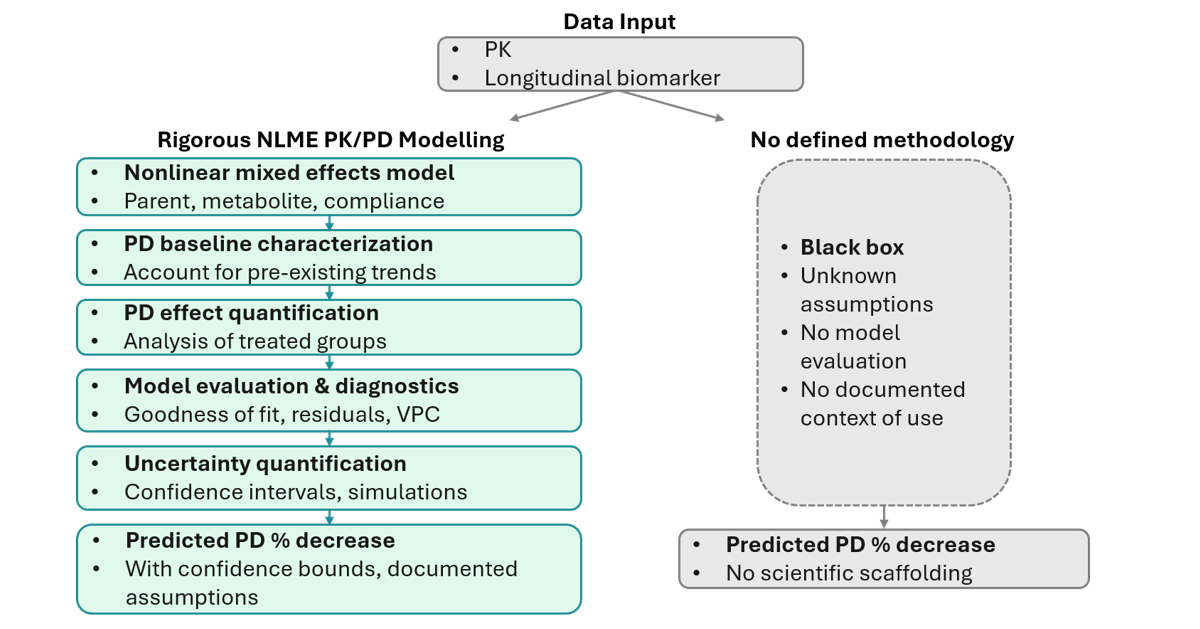
The inappropriate use of models
The assumptions, diagnostics, and context of use are not details. They are the substance of the analysis. A poorly constructed model, applied without evaluation, without documented assumptions, without a defined context of use, is not a model at all. It is a number with a confident face. And a number with a confident face has no place in a development decision.
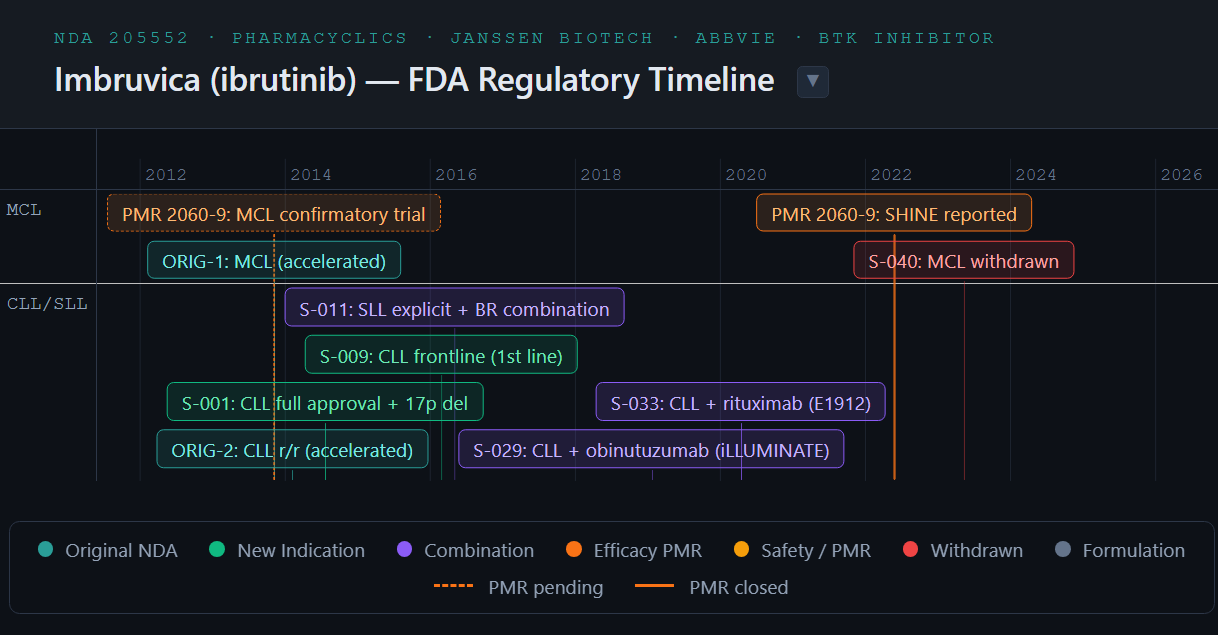
How can a landmark drug go from accelerated approval to voluntary market withdrawal?
From accelerated approval to voluntary withdrawal, the ibrutinib story is one of the most instructive case studies in modern regulatory science. In my latest blog post, I trace a decade of regulatory decisions, confirmatory trial choices, shifting competitive landscapes, and the lessons they leave behind for anyone working in drug development. A particularly great read for those starting their journey in clinical pharmacology.
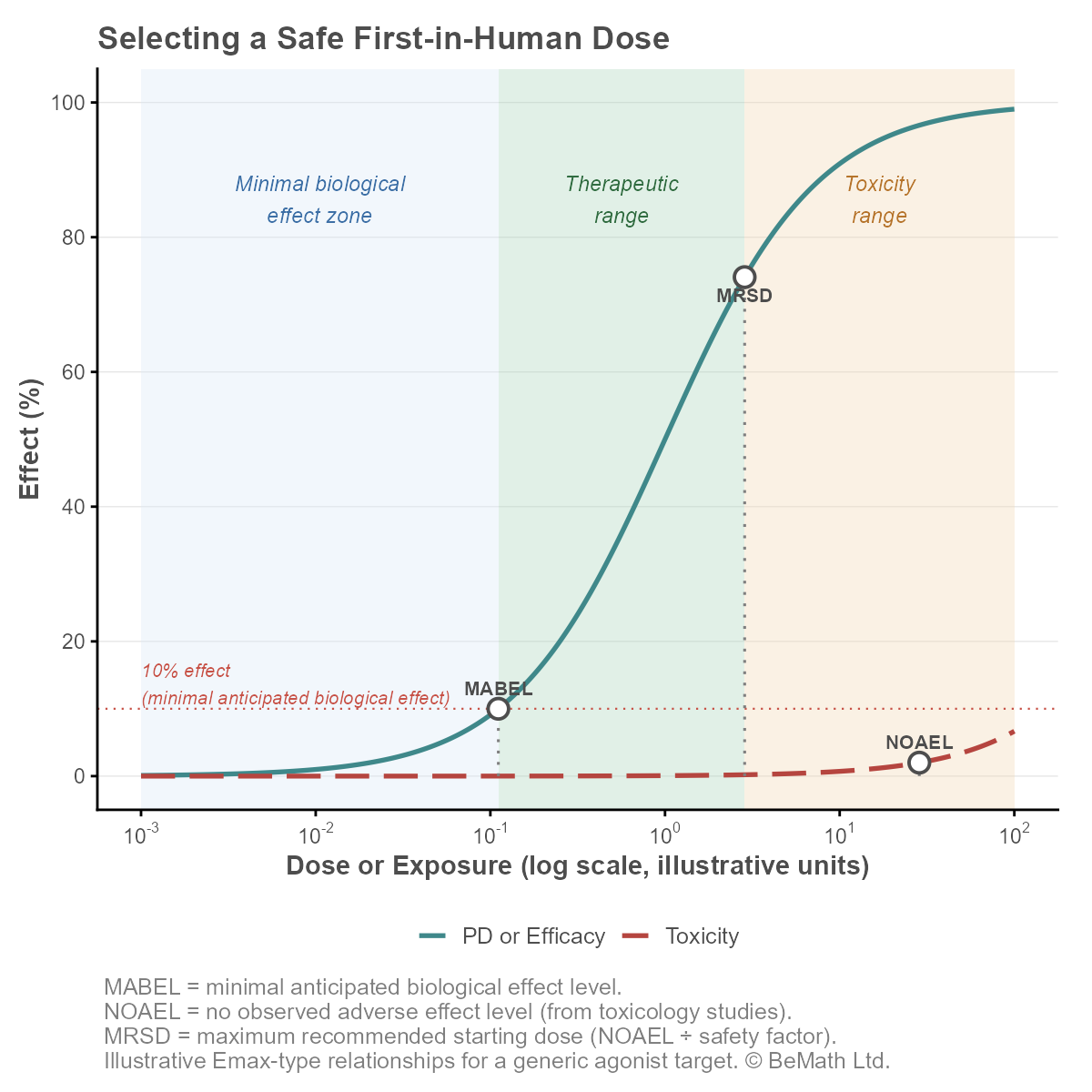
FDA's new MABEL guidance isn't really about QSP. It's about something the agency left unaddressed for nearly two decades.
FDA's new guidance on QSP for first-in-human dose selection looks like a methods update. It's actually the agency closing an eighteen-year gap, one that traces back to a London hospital in 2006 and a lesson the rest of the industry already knew.
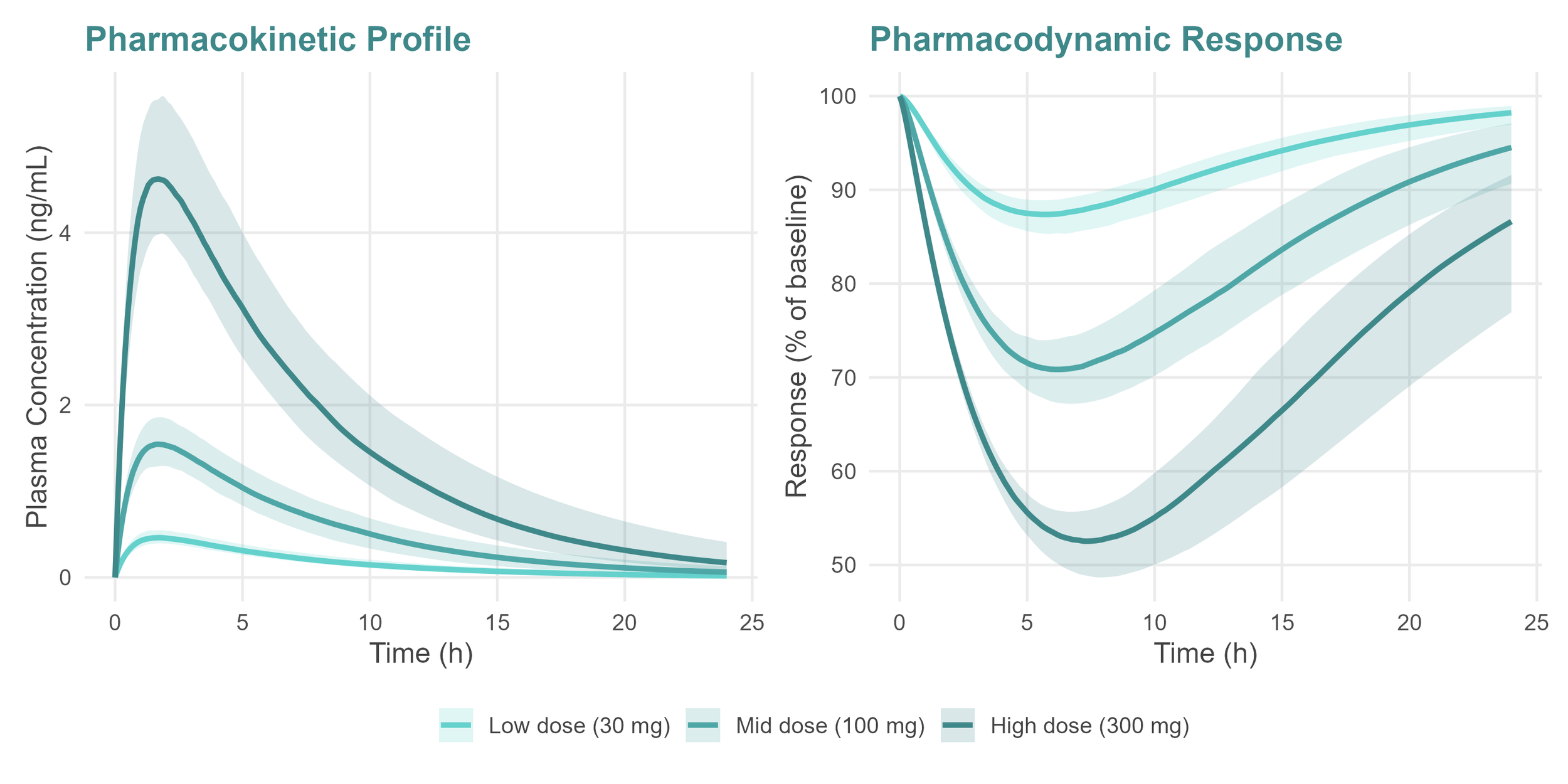
When should you bring a Quantitative Clinical Pharmacologist into your program?
Most companies bring in a Quantitative Clinical Pharmacologist too late. This article explains why the non-clinical phase is the critical window for PKPD modelling and clinical pharmacology expertise, and how early investment in human dose prediction shapes formulation, toxicology, candidate selection, and regulatory strategy.